When evaluating whether to purchase a high-end replica rolex, the decision often comes down to more than surface appearance. I have owned and compared several versions built around the 3285 caliber over the past few years, and the experience has taught me to focus on how the watch actually behaves on the wrist rather than marketing claims alone. The 3285 appears in many current GMT-Master II replicas because it attempts to replicate the modern genuine movement’s long power reserve and dual-time function. Yet not every version delivers the same level of consistency once you start wearing it daily.
One of the first things I noticed when researching options was how widely the same nominal movement can vary depending on the factory’s execution. This led me to treat any purchase as a calculated choice rather than an impulse based on photos. For those exploring the broader replica rolex category, the key is separating visual marketing from measurable performance in real conditions.
The 3285 clone used in top-tier examples is not a perfect 1:1 copy of the genuine Rolex caliber. Genuine 3285 components follow Rolex’s exact tolerances, materials, and finishing standards. Clone versions replicate the overall architecture—bidirectional rotor, integrated GMT module, date wheel at 3 o’clock, and similar escapement layout—but use aftermarket or reverse-engineered parts. Structural similarity is high in the better executions: the rotor spans nearly the full case diameter, the balance bridge follows the same shape, and the GMT hand drive shares the same gear train principle. However, small differences in jewel settings, screw finishes, and regulation components appear under close inspection. These differences do not prevent the clone from running, but they affect long-term serviceability.
Power reserve on a well-assembled 3285 clone typically reaches 65–70 hours when fully wound. This matches the genuine figure closely enough for daily use. In practice, I have measured 62–68 hours on my own examples before the watch stops, depending on how much the rotor winds during normal wear. The actual use performance shows decent stability: after regulation, good specimens stay within +6 to –4 seconds per day over a month. Temperature changes and positional variance remain noticeable but manageable for most owners. Repair difficulty is higher than with generic ETA-based clones. Parts are not interchangeable with standard movements, so any service requires a watchmaker experienced with Rolex-style clones. In my experience, a full service every 3–4 years keeps timekeeping acceptable, but sourcing specific components can add weeks and cost if the original factory no longer supports that batch.
A common buyer misconception is that any watch advertised with a “3285 super clone” will deliver identical reliability. In reality, the movement’s finishing, rotor weight, and regulation quality differ noticeably between factories. One version may wind smoothly with clear engravings and minimal play in the rotor, while another shows rougher edges and faster amplitude drop after a few months. The difference shows up not in initial photos but after several weeks of wear when the watch begins to lose minutes or the crown feels less precise. Treating all 3285 clones as interchangeable leads many buyers to disappointment when the lower-tier example requires earlier service or fails to hold power reserve as advertised.
Another frequent mistake involves over-focusing on the stated 70-hour power reserve as proof of superior engineering. While the number sounds impressive on paper, real-world performance depends more on lubrication quality, regulation, and how well the rotor winds during actual wrist movement. I have seen clones with excellent paper specs that still required daily winding after light activity because the rotor was under-weighted or the mainspring tension was inconsistent. The specification matters less than how the finished watch behaves after the first month of ownership.
Wrist Test Versus Macro Test: How I Actually Judge Quality
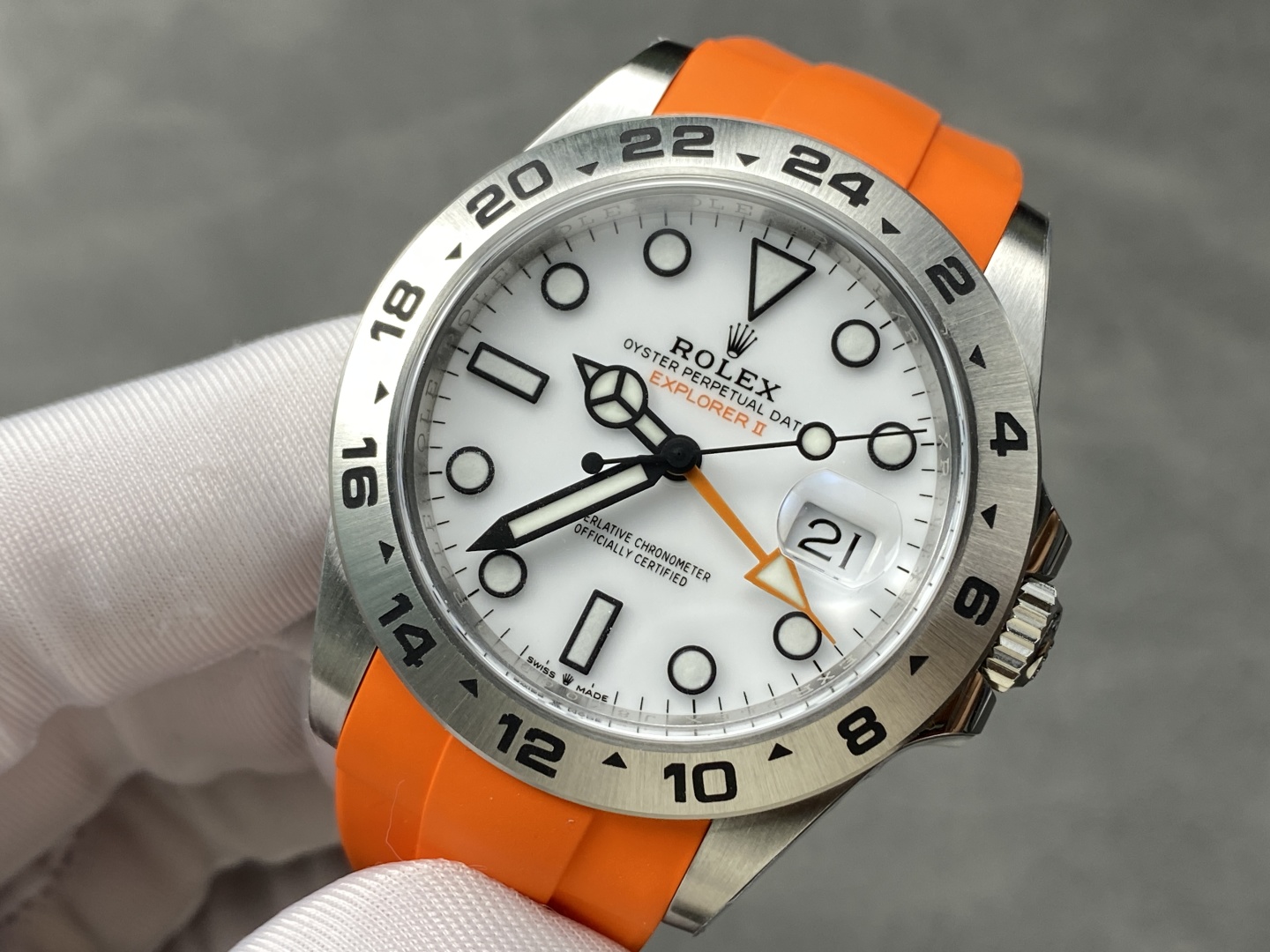
Photos remain the primary way most people first encounter these watches, yet they often mislead. The macro test—close-up shots of the dial markers, bezel lettering, and bracelet links—reveals manufacturing precision under controlled lighting. In good examples the markers align evenly, the ceramic bezel shows consistent color graduation, and the bracelet edges lack sharp burrs. These details matter for initial filtering. However, they do not predict how the watch feels or performs once strapped on.
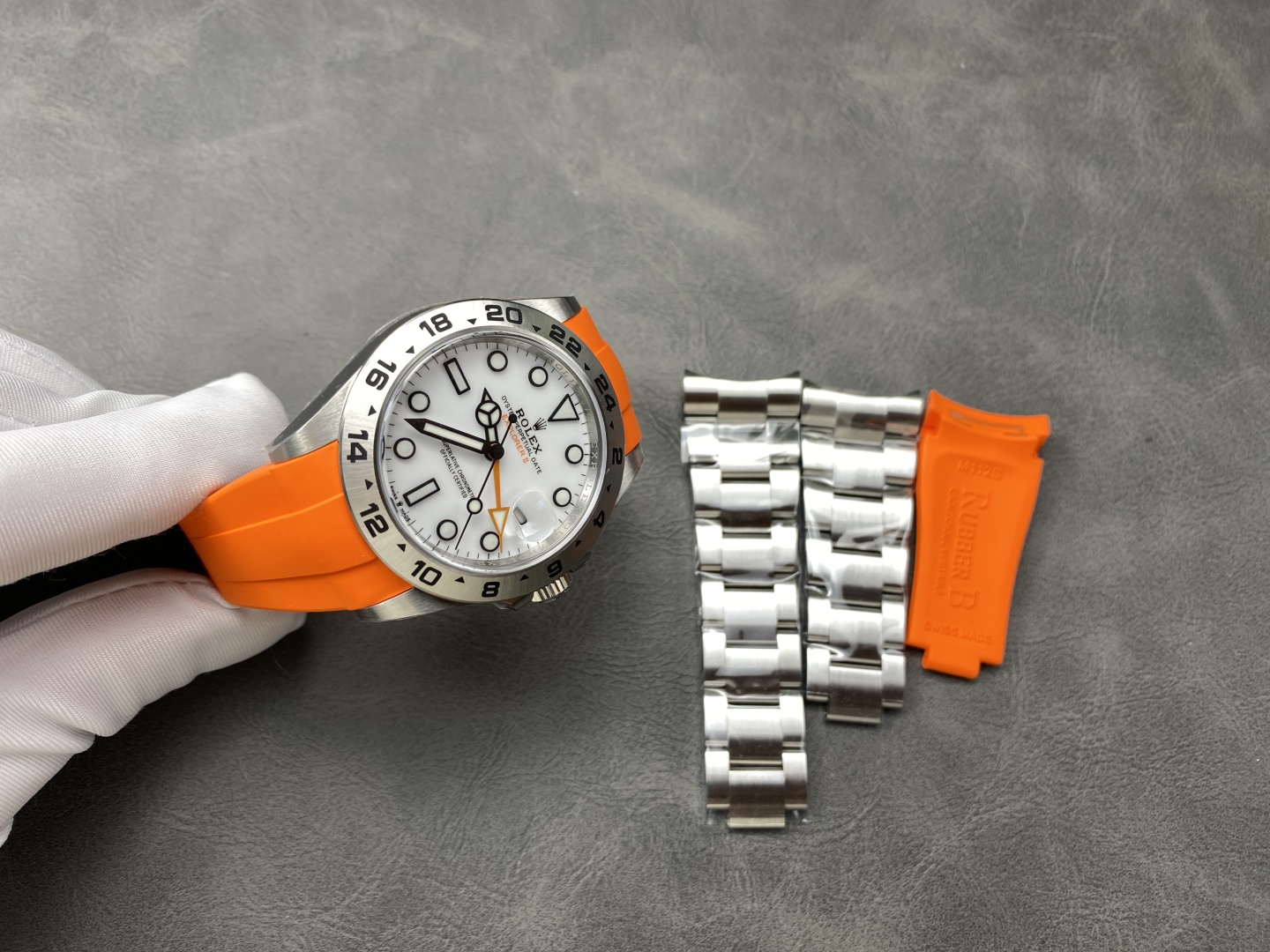
The wrist test involves wearing the piece for consecutive days and noting several practical factors. Weight distribution on the wrist, how the bracelet conforms without pinching, the sound and smoothness of manual winding, and whether the crown screws down with consistent resistance all become apparent only during actual use. In my experience, some macro-perfect specimens develop noticeable play in the bracelet after a week or two, while others that looked slightly less crisp in photos wear more comfortably because the case and bracelet geometry better match the genuine proportions. The 3285 movement itself contributes here: a well-finished rotor produces a subtle, even wind sound rather than a gritty one. That feedback is impossible to judge from still images.
The practical impact is straightforward. Buyers who rely solely on macro photos risk receiving a watch that photographs beautifully but feels unbalanced or requires frequent adjustment. Conversely, those who request wrist shots or short videos of the watch running on an arm gain a clearer picture of daily usability. When I compare examples side by side, the ones that pass both tests tend to come from factories that prioritize consistent case finishing and movement regulation rather than maximizing any single visual detail.
Comparing 3285 Versions from Different Factories
Not all implementations of the 3285 are equal in execution. Two factories that have produced strong versions in recent years are VSF and ARF. Their approaches differ enough to influence long-term ownership satisfaction.
VSF examples typically emphasize movement stability and case comfort. The crystal tends to be clearer with less distortion at the edges, and the bracelet links articulate more smoothly out of the box. Timekeeping on the examples I have handled stayed within tighter daily variance after the initial break-in period. The rotor winds efficiently during normal activity, helping the watch maintain closer to the full power reserve without daily manual intervention. Service access appears slightly easier because the movement finishing leaves fewer sharp edges that can complicate disassembly.
ARF versions often excel in external details such as bezel color transition and dial printing sharpness. The GMT hand alignment and date wheel centering can look particularly crisp under direct light. However, some owners report that the bracelet requires more break-in time and that amplitude consistency can drift earlier if the watch is not serviced on schedule. Power reserve still reaches the 65-plus hour range, but real-world retention sometimes falls short of VSF specimens when worn lightly.
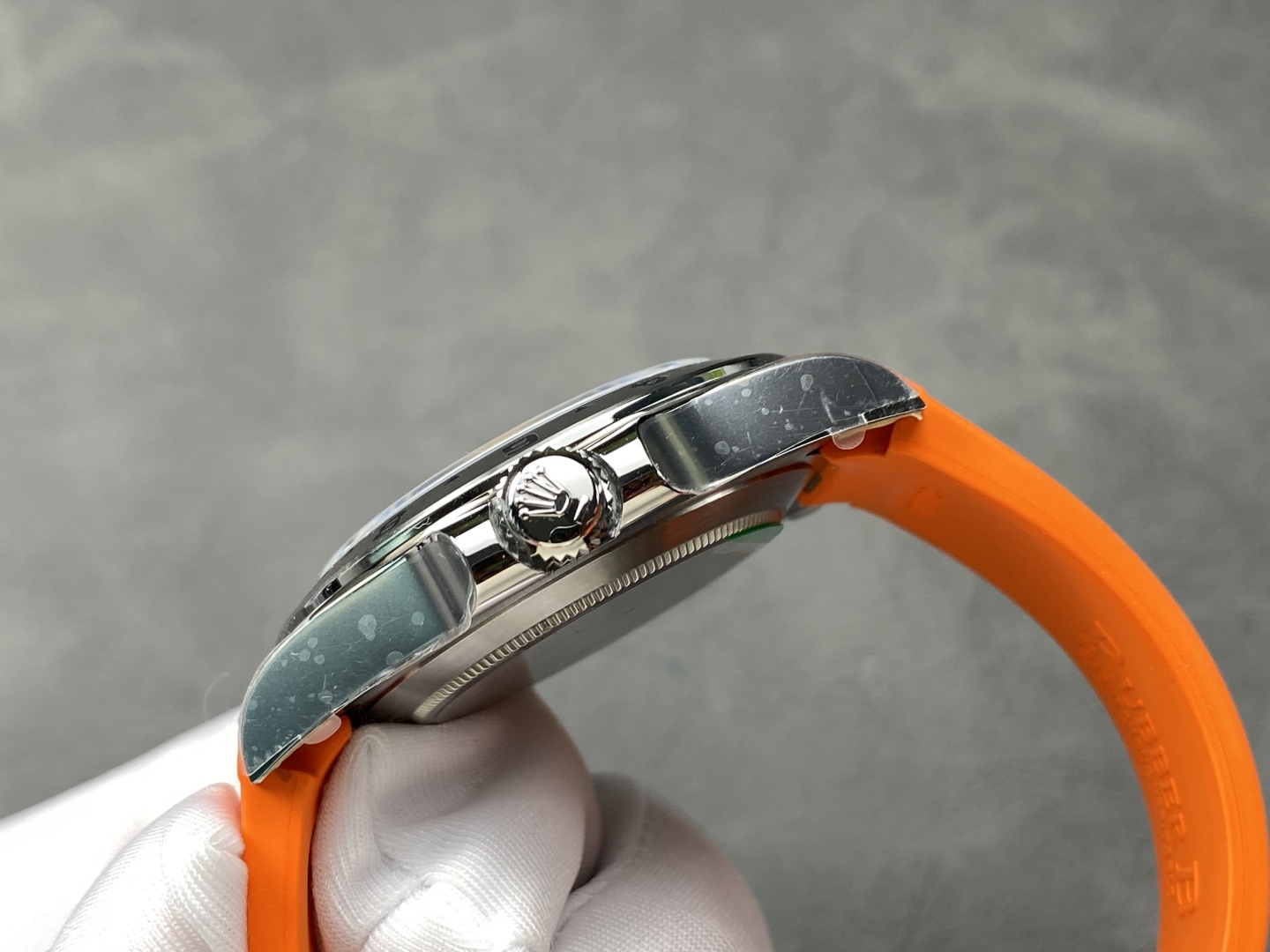
The choice between them depends on priorities. If daily wear comfort and reduced likelihood of early regulation issues matter most, the VSF route has shown better consistency in my observations. If the watch will spend more time in a collection case where photos and close inspection matter, ARF’s visual strengths become more relevant. Neither is universally superior; both represent current good-quality factory output for this movement. I have purchased through replicafactory.is in the past and found their QC process helpful for confirming which factory batch was supplied before final payment.
One experience-based suggestion I offer anyone considering these options is to request a short video of the fully wound watch running on a timegrapher or at least a clear view of the seconds hand over 30 seconds. This reveals regulation quality and amplitude far better than static images. Combined with asking about the specific factory, it reduces the chance of receiving an under-regulated example that will need immediate attention.
Why Factory Choice and Post-Purchase Checks Matter More Than Initial Specs
Factory selection influences more than just the movement. Case machining tolerances, bracelet end-link fit, and even the tension of the bezel click spring vary between makers. These elements affect water resistance claims and long-term durability even if the 3285 itself performs adequately at first. In practice, a well-assembled example from a reputable source maintains its timekeeping characteristics longer between services.
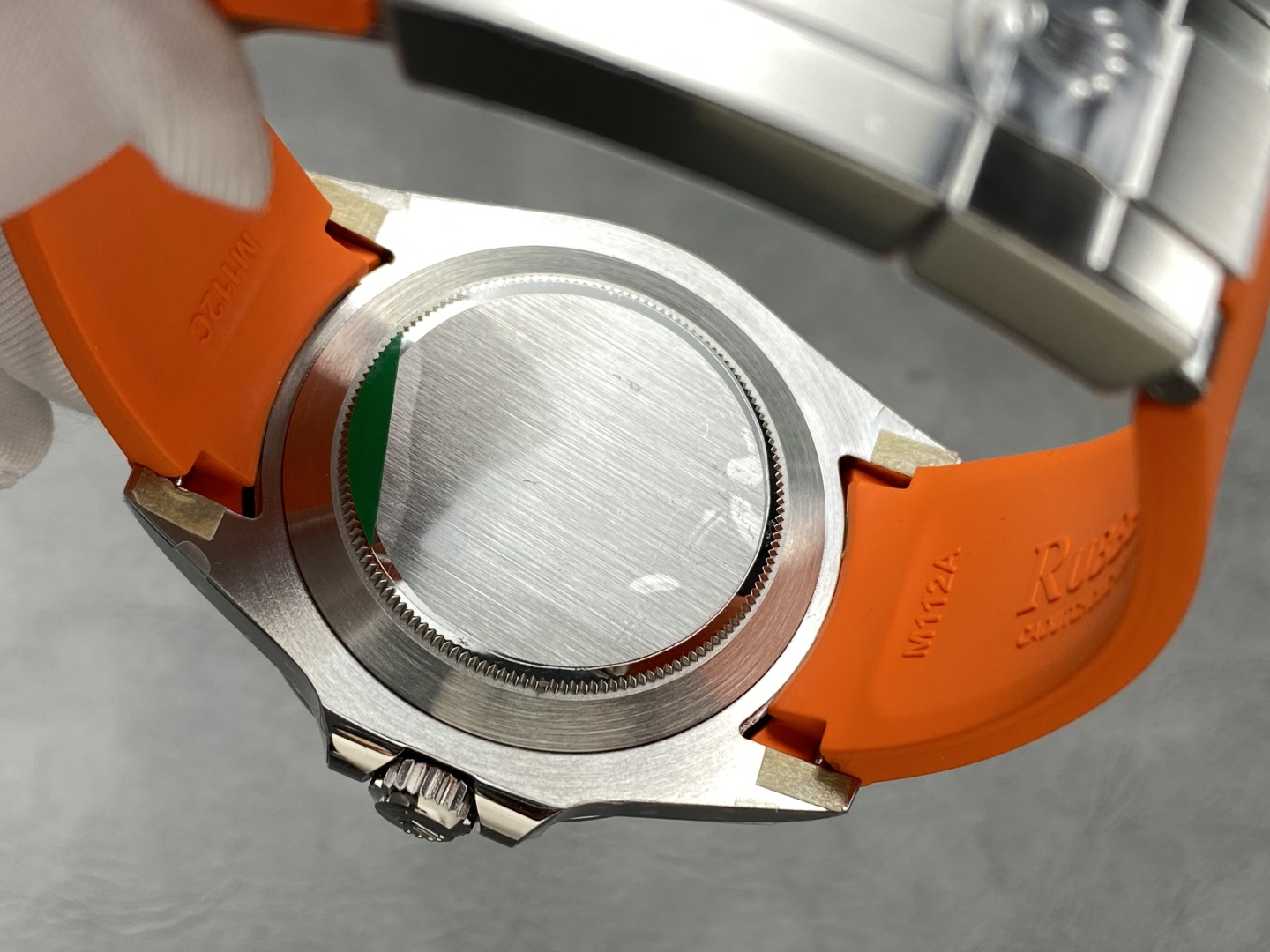
Post-purchase verification is equally important. After receiving any new piece, I fully wind it and track how many hours it runs before stopping. I also check crown action both when setting the time and when engaging the GMT hand. Any roughness or excessive play at this stage usually indicates either a regulation issue or assembly inconsistency that will worsen with use. These checks take little time but prevent the common situation where a watch performs acceptably for the first few weeks only to require adjustment later.
The decision to buy ultimately rests on whether the combination of visual accuracy, operational consistency, and service practicality justifies the cost for your intended use. For someone who wants a daily wearer that closely mimics the genuine article’s functions without constant maintenance, a properly executed 3285 version from a factory with strong recent feedback can meet that need. For others who primarily value the watch as a display piece, the same movement may deliver less incremental benefit over simpler clones.
When I weigh these factors for my own collection, the watches that have remained in regular rotation are those where the movement, case, and bracelet all received comparable attention during production. That balance is harder to assess from distance but becomes clear once the watch arrives and gets worn.
FAQ
What real-world power reserve can I expect from a good 3285 clone?
Most well-regulated examples deliver 62–68 hours of runtime after full winding when worn normally. Light activity may reduce this slightly because the rotor does not wind as continuously as in genuine watches. I track this by noting the time the watch stops after being set aside fully wound.
How difficult is servicing a 3285 replica compared with older clones?
It requires a watchmaker familiar with Rolex-style clones rather than generic ETA movements. Parts are specific and not always stocked locally, so turnaround can take longer. In my experience, budgeting for service every three to four years keeps performance stable.
Does the 3285 clone handle the GMT function as smoothly as the genuine movement?
The hand jumps cleanly in one-hour increments on better examples, and the quick-set via the crown works without excessive play. Minor backlash can appear in lower-tier versions after several months, which is why regulation checks matter.
Can I expect the same daily accuracy as a genuine Rolex?
No. Good clones typically stay within 5–10 seconds per day after proper regulation. Positional and temperature effects remain more pronounced than in genuine watches. This level is acceptable for most users but requires occasional adjustment.
How do I confirm the factory before buying a 3285 model?
Ask the seller for recent QC photos or videos that show the movement engravings, rotor finish, and case back details. Reputable sources usually disclose the factory. Cross-reference owner feedback on forums for that specific batch.
Is the bracelet on 3285 GMT replicas comfortable for daily wear?
It depends on the factory. VSF versions generally require less break-in and conform better to the wrist. ARF examples can feel stiffer initially but often improve after a week or two of wear. Trying similar models or requesting wrist videos helps.
What happens if the power reserve drops significantly after a few months?
This usually indicates either under-lubrication during assembly or a regulation issue. A service restores most of the original reserve in the majority of cases I have seen. Persistent problems point to a lower-quality movement batch.
Should I consider older 3186 clones instead of 3285 versions?
The 3186 offers shorter power reserve and a different GMT hand behavior. The 3285 provides closer modern specs and smoother winding in current production. Unless you specifically prefer the older aesthetic or find a strong deal on a well-maintained 3186, the 3285 generally represents the better long-term choice for most buyers.
For those seeking High-Quality Replica Watches with documented factory details and recent QC, checking multiple sources and comparing recent owner experiences remains the most reliable approach.